Symptoms of respiratory syncytial virus (RSV) infection are similar to those of a cold or flu, but some high-risk individuals may develop severe symptoms such as pneumonia, difficulty breathing, or dehydration, which can even be fatal. RSV infection can occur year-round. Previously, prevention relied solely on maintaining personal and environmental hygiene, and there is currently no specific treatment. Hong Kong recently became the first region in Asia to introduce the RSV vaccine, helping the elderly build a more comprehensive protective barrier, with a protection rate of approximately 82.6% to 94.6%.
Symptoms
RSV causes respiratory illnesses, such as infections of the trachea, lungs, and middle ear. This virus is the most common cause of bronchitis and pneumonia in infants under one year old. Patients will experience fever and other symptoms such as runny nose, cough, headache, loss of appetite, body aches or weakness, and occasionally otitis media.
Transmission Routes
This virus can be transmitted through direct contact with the secretions and droplets of an infected person, or indirectly through contaminated hands, utensils, or objects contaminated with the secretions from the nose or throat of an infected person.
Prevention Methods
The best prevention is to maintain good personal and environmental hygiene.
1. Get vaccinated against respiratory syncytial virus (RSV)
2. Maintain good personal hygiene
3. Maintain good environmental hygiene
Recommended for vaccination 💉
Ages 50 and above
Preventive efficacy 💉
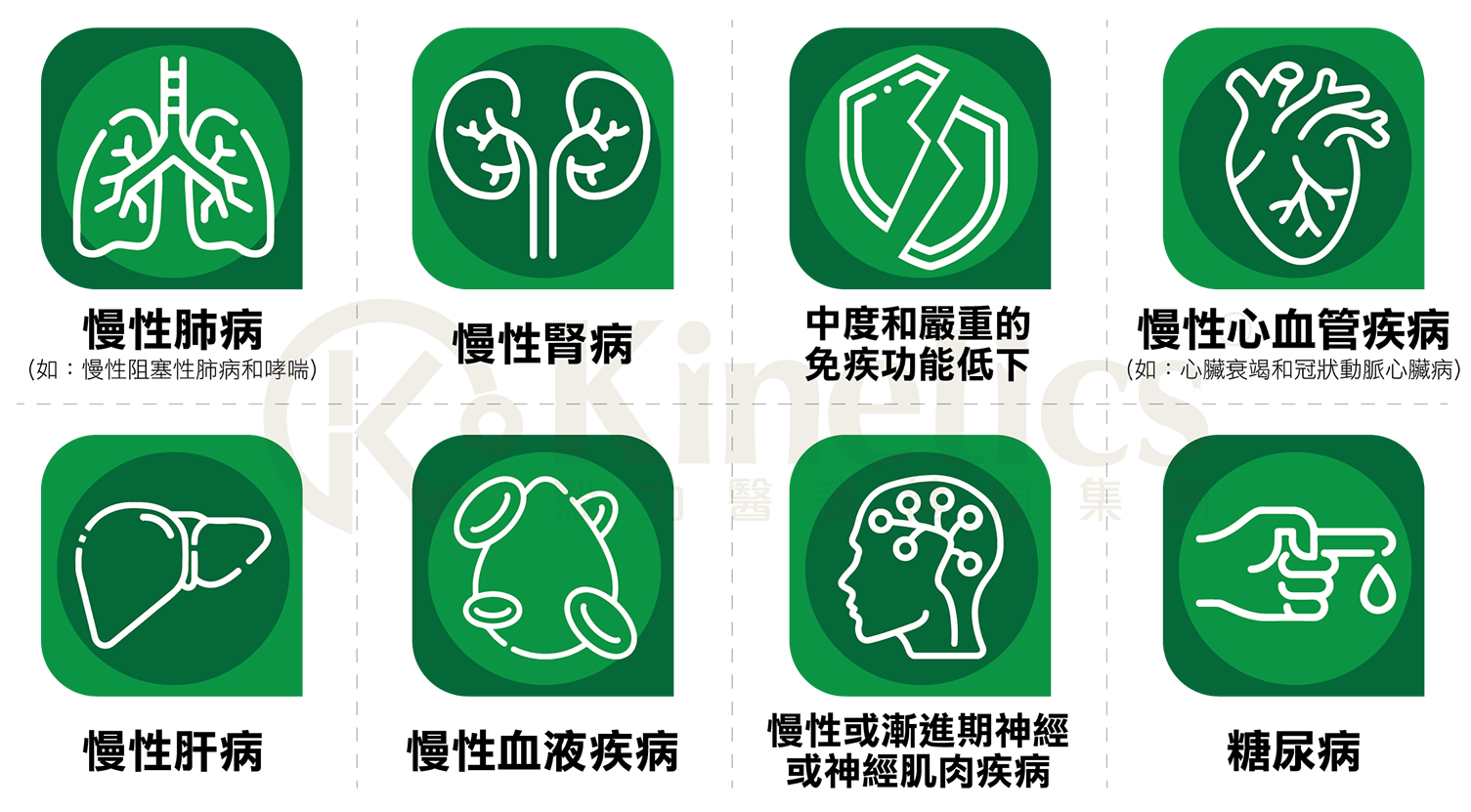
For individuals aged 60 and above: 82.6% protection against lower respiratory tract infections caused by RSV * Protection against lower respiratory tract infections caused by RSV in individuals with at least one comorbidity # 94.6%
#Comorbidities of interest: Chronic obstructive pulmonary disease (COPD), asthma, any chronic respiratory/pulmonary disease, chronic heart failure, diabetes mellitus type 1 or type 2, and advanced liver or renal disease (endocrinometabolic)
*LRTD = Lower Respiratory Tract Disease